
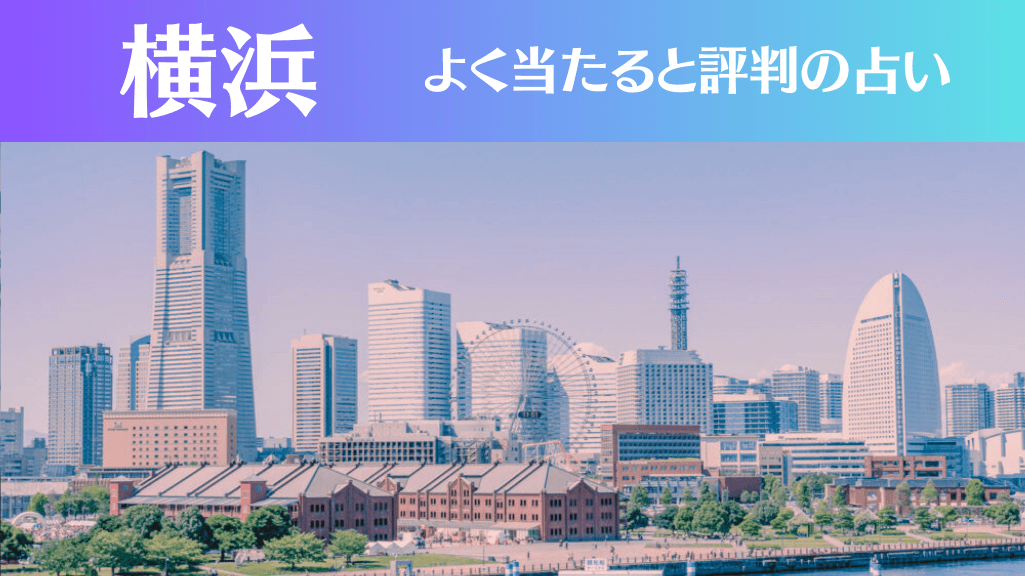
横浜で当たる占いを探していたら、評判の良い占いをいくつも発見!
口コミの評判が良い占いのお店や占い師をピックアップして、今からご紹介したいと思います。
「相手の本音を知りたい」と悩んでいるなら→この占い師!
【諸縁(ゆかり)先生】“なりかわり”という独自占術で相手の気持ちを正確に伝える占い師!
もしあなたが、、、
「相手の本音を知りたい!」
「相手の今の気持ちは?」
「相手はどうしたい?」
というようなことで悩んでいるのでしたら、電話占いカリスの諸縁(ゆかり)先生をおすすめしたいと思います。
諸縁先生は、”なりかわり”という先生独自の占術で人気の占い師。
生まれついて、自分以外の第三者とのシンクロからイメージが入ってくることができ、現在ではその能力を活かし、相手の感情や状況、未来のヴィジョンを正確にお伝えすることを得意としています。
19歳の頃から完全口コミだけで、鑑定を続けてきた超実力派占い師です。
電話占いカリスのランキングでも不動の1位を誇っています。
もしあなたが、相手の本音を知りたいと悩んでいるのでしたら、諸縁先生の鑑定を受けてみてはいかがでしょうか?
fa-arrow-right口コミレビュー
2週間ほど前にみていただきました。先生に彼の気持ちなどを聞きましたが、言われたことまったく同じことを彼に言われました。ビックリです‼️本当にすべてそのまま同じことを‼️スゴイしかないですまだまだ始まったばかりですが、いい方向へ向かっていければと思ってます
引用元:カリス/諸縁先生の口コミ
先生のなりかわり、
たぶん彼は、そう言うだろうな…。
という言葉でした!
口調も…。
驚きました。心に刺さりました。引用元:カリス/諸縁先生の口コミ
音信不通の彼の状況を定期的にみて貰ってるのですが、彼の気持ちは、彼の言いそうな言葉で、そのまま彼なのです。良い結果じゃなくても…こんな人だったなと思い出せゆかり先生の凄さを感じれます。なりかわりって凄い!酷いこと言うな。。でも確かに彼なのです。元気貰えました。また視て下さいね。
引用元:カリス/諸縁先生の口コミ
諸縁先生だけしか使えない占術“なりかわり”でモヤモヤした気持ちを解消してください!
すでに59,000人以上の方が諸縁先生の鑑定を受けています
「提供元:ティファレト」
横浜の占い16選!霊視から手相まで当たると評判の占い師もご紹介!
| 占い店 | 占い師と占術 |
|---|---|
| 横浜中華街 占い館 愛梨 | SATOKO先生 西洋占星術、直観タロットカード、エンジェルナンバー、イーチンタロット、手相、相性 |
| 鳳占やかた | 伊藤行斎先生 手相、相性、算命学 |
| 縁占館(旧福運閣) | 円寿先生 気学、人相学、手相学、数理学、算命学、宿曜占星術、タロット、四柱推命、数秘術、ルノルマンカード |
| 龍占堂 横浜中華街 | 龍珠先生 手相、タロット、気学、姓名判断 |
| 横浜 千里眼 | 伏見和先生 前世鑑定、過去世、スピリチュアル・リーディング、霊感・霊視、透視、オーラ、チャネリング、エネルギーワーク、夢占い、手相、ヒプノセラピー、西洋占星術、インド占星術 |
| 占い館 沙羅双樹 | エテルナ佐藤先生 タロット、手相、西洋占星術 |
| 占い師キロ・ヤスキの書斎 | キロ・ヤスキ先生 エネアス数占術、英国式手相術、タロット占い |
| SUPER手相鑑定 西谷泰人 | 西谷康人先生 手相、方位学、スーパーバイオリズム |
| 竹下宏の九星気学 | 竹下宏先生 九星気学 |
| 横浜中華街 占い師シュウ | シュウ先生 命術、ト術、相術、イーチンタロット |
| 占い屋 M's tarot | MANORI先生 霊能セッション、スピリチュアル書記、数秘、タロット、オラクル、ルーン |
| 東明館 横浜赤レンガ倉庫店 | 坂本初江先生 手相、運命学 |
| 占い 華陽園 | 公津光央先生 手相、四柱推命、九性気学、奇門遁甲、宿曜占星術、断易、算命学 |
| 占い屋ドラゴン | ドラゴン先生 スピリチュアル鑑定、霊感 |
| ハーフムーン占い舘 | 安曇志穂先生 四柱推命、断易、西洋占星術、タロット、手相、気学、紫微斗数 |
| クールバード港南台 | Kei先生 霊感占い、姓名判断 |
横浜中華街 占い館 愛梨
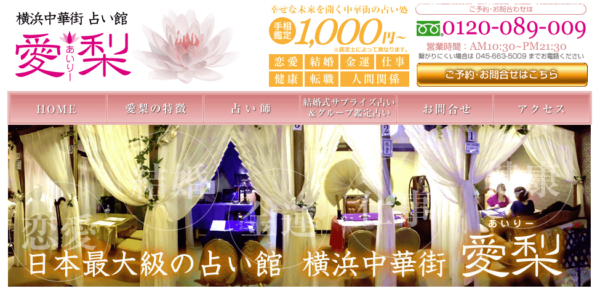
横浜の横浜中華街の占いの館の愛梨は、横浜中華街最大級の占いの館となっています。
中華街にカモメ市場本館や上海ロード店2号店、天長門店3号店や関帝廟前店4号店などのお店があります。
愛梨の特徴としては本格的な占いが1,000円からできることです。
コースも長時間コースなどじっくりと見てもらいたいという場合のコースもあります。
どのお店にも経験豊富なよく当たると有名な先生も多く在籍しています。
オープンスペースだけでなく個室での鑑定もできる店舗もあるので自分の希望に合わせた店舗でみてもらうことができます。
【カモメ市場本館】
住所
〒231-0023
神奈川県横浜市中区山下町187 カモメ市場
電話番号
045-663-5009
営業時間
10:30~21:30
【上海ロード店 2号店】
住所
〒231-0023
神奈川県横浜市中区山下町192-2
電話番号
045-323-9336
営業時間
10:30~21:30
【天長門店 3号店】
住所
〒231-0023
神奈川県横浜市中区山下町187 占館愛梨 天長門店
電話番号
045-222-3258
営業時間
10:30~21:30
【関帝廟前店 4号店】
住所
〒231-0023
神奈川県横浜市中区山下町130
電話番号
045-305-6525
営業時間
10:30~21:30
【中山路店 5号店】
住所
〒231-0023
神奈川県横浜市中区山下町152
電話番号
045-232-4180
営業時間
10:30~21:30
鑑定料金
●手相
5~7分=1,000円
●タロット
15~20分=3,000円
●四柱推命
15~20分=3,000円
●算命学
15~20分=3,000円
●西洋占星術
15~20分=3,000円
●気学
15~20分=3,000円
●数秘術
15~20分=3,000円
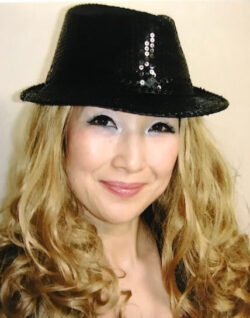
おすすめ占い師:SATOKO先生
[占術]
西洋占星術、直観タロットカード、エンジェルナンバー、イーチンタロット、手相、相性
SATOKO先生は、問題を必ず解決してくれると言われている鑑定士です。
相談者の運勢や性格を判断し、適切なアドバイスをしてくれるのが特徴です。
パワフルな先生なので、会うと活力がわいてくるそうです。
「中華街のマドンナ」と呼ばれる美しさも魅力的。
相談者の性格に合わせた対応で、リラックスした時間が過ごせると好評です。
鑑定結果に関わらず、的確な助言が得られるので安心です。
問題解決に自信があるSATOKO先生は、困ったときの強力な味方になってくれます。
 家族で中華街に出掛けたときに面白半分で寄りました。
私と主人と娘と息子の4人で見てもらったのですが、大変盛り上がっていい思い出になりました(笑)
それぞれの性格も当たっていたし、家族の将来の形も教えてもらいました。
占いは若いころに手相を見てもらって以来だったのですが、最近の占いはあんな感じなんでしょうか。
とても気さくでザックバランな感じだったので、楽しめました。
1人でしっかり占ってもらうこともできるようなので、娘が今度は友達と来たいと言っていました。
いい経験でした。(女性・40代)
鳳占やかた
横浜中華街にある鳳占やかたは、なんと30000人の鑑定を突破しているということもあり、話題のスポットになりつつあります。
占いの内容は恋愛が1番人気で仕事や健康、金運など様々な事を見てもらうことができます。
占い師もたくさんいますので、自分のニーズに合わせて選んでいくことが出来ます。
料金などもサイトに掲載されていますし、安心して初めての方も利用出来ますし、中華街を観光しているついでに立ち寄れておすすめです。
【チャイナスクエア1F・3F】
住所
〒231-0023
神奈川県横浜市中区山下町144番地
電話番号
090-1704-1216
営業時間
1F
10:00~20:30
3F
平日
11:00~20:00
土曜日
10:00~20:30
日曜・祝日
10:00~20:00
【横濱バザール鑑定所】
住所
〒231-0023
神奈川県横浜市中区山下町166番地
電話番号
045-651-7240
営業時間
11:00~19:30
【山下町鑑定所】
住所
〒231-0023
神奈川県横浜市中区山下町218番地
電話番号
045-651-7240
営業時間
平日・日曜
11:00~20:00
土曜
11:00~20:30
【市場通り鑑定所】
住所
〒231-0023
神奈川県横浜市中区山下町148番地
電話番号
045-651-7240
営業時間
平日・日曜
11:00~21:00
土曜
11:00~21:30
【関帝廟通り鑑定所】
住所
〒231-0023
神奈川県横浜市中区山下町138番地
電話番号
045-651-7240
営業時間
平日
11:00~20:00
土曜
11:00~20:30
鑑定料金
・手相=1,000円
・算命学=3,000円(手相鑑定付き)
・相性鑑定=3,000円(手相鑑定付き)
・タロット=3,000円
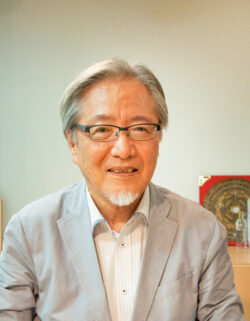
おすすめ占い師:伊藤行斎先生
[占術]
手相、相性、算命学
伊藤行斎先生は、「仁徳(じんとく)」を鑑定のモットーとするベテランの鑑定士です。
4万人以上の鑑定経験があり、相談者の気持ちを理解し、思いやりを持って対応することを大切にされています。
先生は、技術だけでなく人間性や人格を磨くことが大切だと考えておられ、鑑定士養成学校で後進の指導にもあたっています。
30年以上のサラリーマンを経て鑑定士になられ、会社の枠組みから個人の人生へ視点を変えられたそうです。
寄り添う優しさと人生経験が豊富な伊藤行斎先生。
迷った時のよりどころとなってくれるでしょう。
 横浜中華街に行く予定があったので、以前知人に聞いていた鳳占やかたへ行きました。
前以て予約しようと思ったら、予約は受け付けていないと言われて、比較的すいている時間帯を訊いて行きました。
友だちと一緒に行ったのですが、一人で占ってもらった方がいいですね。
当たり過ぎて、恥ずかしかったです笑(女性・30代)
縁占館(旧福運閣)
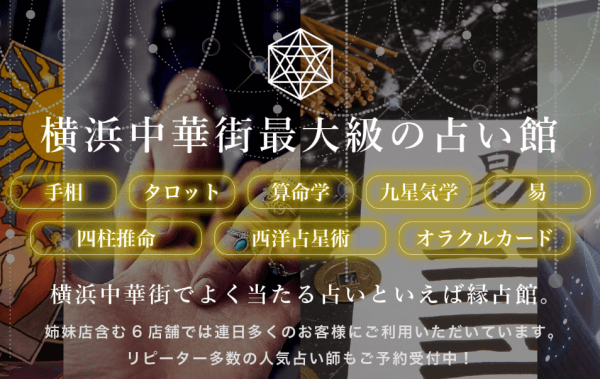
横浜中華街にある「縁占館」は、50人以上の占い師が在籍する老舗の占い館です。
タロット、四柱推命、手相など多彩な占術が用意されているため、相談者は自分に合った占いを選ぶことができます。
1100円からの手相占いや、詳細な総合鑑定など、ニーズに合わせた料金設定がなされています。
公式サイトで占い師のスケジュールや口コミを確認でき、予約すれば料金が1割引になるなど利用しやすい工夫がされています。
横浜観光の際は、中華街の雰囲気を楽しみながら、縁占館で自分の未来に関するヒントを得てみてはいかがでしょうか。
◆縁占館 関帝廟通り店
〒231-0023
神奈川県横浜市中区山下町136-12
電話番号
045-323-9626
営業時間
10:00~19:30 (月~金)
10:00~20:00 (土日祝)
◆縁占館 市場通り店
〒231-0023
神奈川県横浜市中区山下町148
電話番号
045-294-6240
営業時間
11:00~20:00 (月~金)
10:30~21:00 (土日祝)
◆縁占館 中山路店
〒231-0023
神奈川県横浜市中区山下町145
電話番号
045-264-8302
◆縁占館 大通り本店
〒231-0023
神奈川県横浜市中区山下町151-16
電話番号
045-307-6688
営業時間
11:00~21:00 (月~金)
10:30~21:00 (土日祝)
◆縁占館 大通り鑑定所
〒231-0023
神奈川県横浜市中区山下町192-16
電話番号
045-294-6240
営業時間
11:00~20:00 (月~金)
10:30~21:00 (土日祝)
・手相
約7分=1,100円(税込)
・相性
20分=3,300円/人(税込)
・タロット
20分=3,300円(税込)
・算命学
20分=3,300円(税込)
・四柱推命
20分=3,300円(税込)
・西洋占星術
20分=3,300円(税込)
・総合鑑定
30分=5,500円(税込)
60分=11,000円(税込)
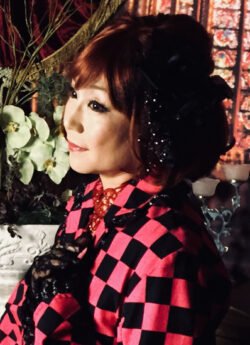
おすすめ占い師:円寿先生
[占術]
気学、人相学、手相学、数理学、算命学、宿曜占星術、タロット、四柱推命、数秘術、ルノルマンカード
円寿先生は、多彩な占術の知識と資格を持つ経験豊富な鑑定士です。
気学、タロット、数秘術などの技法を組み合わせ、相談者の問題に深く迫るのが特徴です。
前向きでポジティブな鑑定スタイルから、多くの人が明るい気持ちを取り戻せると評判です。
横浜中華街の縁占館で人気の円寿先生は、相談者一人ひとりに真摯に向き合う姿勢が高く評価されています。
知識と経験に裏付けされた鑑定で、自分の未来を明確にしてみてはいかがでしょうか。
迷いや不安を感じる時、円寿先生のお力を借りるのが一番と言えるでしょう。
 金運を見てほしくて行きました。
金運は悪くないそうです。
ただ、人間関係でのトラブルが多いそうで、それが原因で仕事が長続きしないため、お金に困る事もあるでしょう、と言われてビックリ!
その通りなんです。
仕事が決まっても人間関係が上手くいかずに辞めることが多く、それで職を転々としています。
それでも一応収入はあるので生活はできますが、長続きしないのでいつまで経っても新人で、昇給しないうちに辞めてしまうんですよね。
少しですが借金もあり、真剣に悩んでいることも先生にお話ししました。
先生には具体的なアドバイスをしていただき、金運が落ち着くような方法を教えてもらうことができました。
優しい先生だったので、また相談に来たいと思いました。(女性・20代)
【アンケート結果】電話占い利用者126名に聞きました!
Q1,電話占いでどのような恋愛相談をしましたか?(複数選択可)
Q2,電話占いの恋愛相談で悩みは解決しましたか?
※当サイトがインターネット上で独自に行った18歳~60歳男女126名のアンケート結果です。
↓電話占いランキングはこちら↓

霊視鑑定のスペシャリストといえば→この先生!
【香桜(カオン)先生】テレビでも活躍する行列ができる占い師
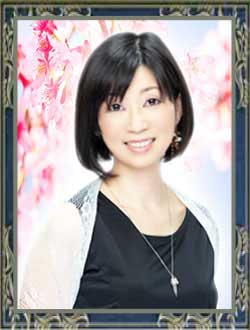
霊視鑑定のスペシャリストと言えば、電話占いウィルに所属する香桜先生。
香桜先生は、対面鑑定で活動しておりましたが、その実力と的中率が話題になり、一ヶ月から数ヶ月の予約待ちになるほどの人気占い師になりました。
そこで、1人でも多くの方に鑑定を受けて頂きたいということで、電話鑑定も始められました。
また、香桜先生はメディアにも取り上げられることが多く、テレビ出演した際に、いとうあさこさんやフジテレビの久代アナなど芸能人の鑑定も度々行っております。
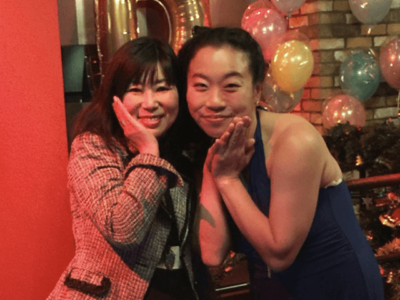
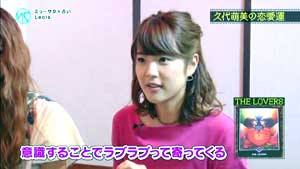
そんな香桜先生の鑑定を、無料で受けることができます!
電話占いウィルに会員登録すれば、初回限定で3,000円分無料の鑑定を受けることができるのです。
もし、香桜先生の鑑定に興味がありましたら、ぜひ電話占いウィルに登録して3,000分無料の鑑定を受けてみて下さい。
fa-arrow-right口コミレビュー
18日に2回目の鑑定していただきました。
なかなか会えないし、状況が状況で会うことも出来ない彼のこと前の鑑定のときに12月に会えると言われ、本当にその通りになったのでそのお礼を言ったら先生はすごく喜んでくれて…すごく嬉しかったです!
そして、今回の鑑定で頑張れば今月中に会えると言われ実際に日曜に会えました
先生の鑑定の鋭さにただただビックリしました。引用元:ウィル/香桜先生の口コミ
※2回目以降の鑑定も割引となるため、合計6,000円以上無料!
行列ができる噂の霊視鑑定を体験して下さい。
龍占堂 横浜中華街

横浜の占い店に、気軽に占いを楽しめるオープンスタイルの店舗の龍占堂があります。
経験と実績を積んだ実力派の先生だけが占ってくれるので、安心して訪れることができそうです。
じっくりと真剣に悩みに耳を傾けてくれ、解決までしっかりとサポートします。
龍占堂は横浜中華街でも有数の占い店で、タロットや手相、姓名判断、気学で有名な龍珠先生が在籍しています。
紹介者がある人に限り、手相、タロット、九星気学の涼風先生にも占ってもらうことができるようです。
プライバシーが気になる人はスクリーンを下ろして鑑定し、出張鑑定も対応しているのでお願いしてみる価値はあるでしょう。
住所
〒231-0013
神奈川県横浜市中区住吉町3丁目36?2 DEXビルディング1992 1F
電話番号
080-5680-2220
営業時間
月~土 11:00~23:00
木 18:00~23:00
日祝 11:00~17:00
横浜市営地下鉄 1番出口・3番出口より徒歩2分。
鑑定料金
・手相、四柱推命、タロット、方位
公式サイト
https://ryusendou.com/
おすすめ占い師:龍珠先生

[占術]
手相、タロット、気学、姓名判断
龍珠先生は、実力派の鑑定士として10年以上の経験を持っています。
「占うことはその人の人生と心に触れること」というモットーのもと、相談者の人生が幸せになるよう真摯に向き合うのが特徴です。
現状を理解し、問題の本質を浮き彫りにすることで、相談者の成長を促します。
龍占堂では、経験豊富な占い師が在籍しているため、相談内容がまとまっていなくてもしっかりと傾聴し、解決までサポートしてくれます。
長年の実績がある龍珠先生に、人生の岐路で迷った時や問題解決の糸口が見えない時にはぜひ相談してみてください。
きっと道が開けるはずです。
恥ずかしい話なのですが、私自身が5年間引きこもっていました。
キッカケは失恋と職場の嫌がらせです。
親の強い勧めで龍占堂で占ってもらいました。
先生が「あなたは頑張り屋だね。よくここまで頑張って生きてきたね」と言ってくださって、涙が止まりませんでした。
私自身の性格や考え方、親との関係、妹との関係を当てられて、私が引きこもりになったこともまったく批判されませんでした。
すぐに社会復帰するのは無理だということも理解していただき、話もたくさん聞いていただいて、感謝しています。
家族以外の人と話をしたのは久しぶりでしたが、話しやすくリラックスできたので、本当に良かったです。(女性・20代)
横浜 千里眼
占いの館「千里眼」は、恐ろしいほどよく当たると今人気のお店です。
全国各地で営業を行なっている千里眼ですが、その中の1つ、横浜店では様々な鑑定方法で多角的に見てくれます。
霊視、霊感やタロットカードを占術とする「卜占」、誕生日などを要素に加えて命や宿命を見る「命占」、現在の人への影響や吉凶などを見る「相占」、その他、ヒーリングやカウンセリングなどがあります。
複数の占術を用いて鑑定のできる口コミで人気の占い師による、対面鑑定や電話、メールなどでの占いは予約が必要です。
◆横浜 千里眼 横浜駅西口店
住所
〒220-0005
神奈川県横浜市西区南幸1-13-10 相鉄南幸第15ビル 5階
電話番号
050-2018-3433
営業時間
10:00~20:00
横浜駅西口より相鉄線方面、みなみ西口より徒歩1分
対面鑑定の料金
20分:2,000円
30分:3,000円
60分:6,000円
80分:8,000円
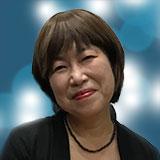
おすすめ占い師:伏見和先生
[占術]
前世鑑定、過去世、スピリチュアル・リーディング、霊感・霊視、透視、オーラ、チャネリング、エネルギーワーク、夢占い、手相、ヒプノセラピー、西洋占星術、インド占星術
伏見和先生は30年以上の実績を持つ鑑定士です。
恋愛や出産、就職などの的中例が多数ある実力派です。
先生は相談者の未来が見える体質で、現実から思い描く理想の未来に近づくためのアドバイスをしてくれます。
優れた感性で幸せに導き、目に見える具体的な幸せを運んでくれるのが特徴です。
気軽に相談できない悩みや、考えすぎて眠れない夜がある方は、一度伏見先生にお話ししてみてください。
鑑定後は表情が変わるほどのカタルシスが得られ、幸せに近づく勇気が湧いてくることでしょう。

占い館 沙羅双樹
神奈川県横浜市中区入力ある沙羅双樹という占いお店があります。
このお店の特徴は、豊富な実績を残していることです。
創業以来延べ10万人のお客をハッピーに導いてきたという実績があります。
そして、その実績に携わってきた経験豊富な占い師達が誠心誠意全力でアドバイスしてくれます。
またお店には個別のブースがありますので、他のお客から見られることがないためプライバシーは守られています。
そのことから安心して利用することができます。
住所
〒231-0064
神奈川県横浜市中区野毛町1丁目53
電話番号
045-231-8217
営業時間
11:30~19:00
JR桜木町駅から徒歩6分。
JR関内駅北口から徒歩7分。
京急日の出町駅から徒歩5分。
鑑定料金
●総合鑑定
おすすめ占い師:エテルナ佐藤先生
[占術]
タロット、手相、西洋占星術
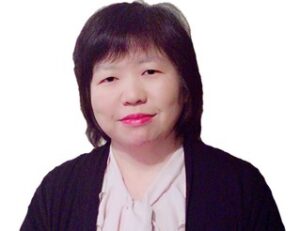
エテルナ佐藤先生は、18年以上の実績を持つベテランの鑑定士です。
西洋占星術、タロット、手相占いの3つの占術を駆使し、相談者の深層心理に迫るのが特徴です。
小学生の頃にタロットに出会い、占術の道を志した先生は、日本占術協会で学び、経験を積んでいます。
「明日を信じ、今日を生きる」という信条のもと、自己理解と未来への可能性を引き出す鑑定を心掛けています。
初めての方でも安心して相談でき、一人ひとりに寄り添う姿勢が信頼を呼んでいます。
人生の岐路に立った時、エテルナ佐藤先生の鑑定が新たな一歩を踏み出す力になることでしょう。
今の彼氏と付き合う前に見てもらいました。
相手は私よりも年下でモテる雰囲気の方なので自信が持てなかったのですが、相談して良かったです。
先生のアドバイスはまるで彼を知っているような感じに具体的で、先生のアドバイスを守って告白したことで付き合えたと言っても過言ではないと思います。
なので先生にはとても不思議な印象を持っています。
また是非お会いしたいと思います。(女性・30代)
占い師キロ・ヤスキの書斎
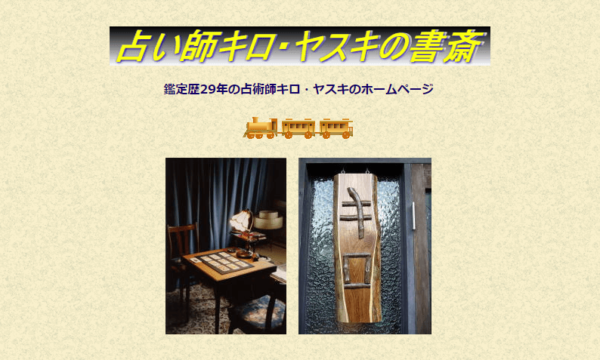
長い実績を誇る大ベテランの占い師が、エネアス数占術、英国式手相術、タロット占術を使って悩み解決の糸口を見つけてくれるかもしれません。
横浜の一軒家で、完全予約制なのでゆっくり占ってもらうことができます。
人の目を気にせず、ゆったりとした空間でおだやかに話を聞くことができ、緊張せずに占いをしてもらうことができます。
何かに不安を感じられて悩んでいたり、今よりも、もっと良い方向にむかいたいと考えていらっしゃる方にお勧めです。
住所
〒221-0831
神奈川県横浜市神奈川区上反町2-19-3
電話番号
045-312-0831
営業時間
平日
11:00~20:00
土日祝
11:00~18:00
東急東横線 反町駅より徒歩3分。
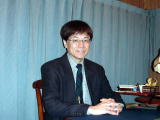
おすすめ占い師:キロ・ヤスキ先生
[占術]
エネアス数占術、英国式手相術、タロット占い
キロ・ヤスキ先生は、リピーターが多い人気の鑑定士です。
先生の鑑定スタイルは斬新で、占いに詳しい人でも新鮮な驚きがあると評判です。
穏やかな人柄で、リラックスして鑑定を受けられるのが特徴です。
学生時代から占いを学び、イギリス留学で知識を深めました。
手相やタロットなど複数の視点から総合的に鑑定するスタイルは、的確な助言が得られると好評です。
完全予約制なので、じっくりと打ち明けたい悩みも相談できる環境が整っています。
キロ・ヤスキ先生の斬新で総合的な鑑定は、新たな気づきと可能性を与えてくれるはずです。
すごい占い師がいると聞いて、緊張しながら行ってきました。
行ってみると、先生は優しそうな方で話しやすかったので安心しました。
でも占いは本当にすごかったです。
こんな占いの経験は初めてかもしれません。
カードで占いながら途中で手相も視て、流れるように占いが進んで行きました。
先生が仰ることの意味が分からないところがあったので聞き直したのですが、そのときも分かりやすく説明してくださいました。
占いはあまり詳しくないので、手相以外は何占いだったのか分かりませんが、とにかく「私のことを知ってるの?」と思うくらい当たってたんです。
将来のことを占ってもらったのですが、結果は私の思うものとは違うもののとても良いものでした。
性格や家族との関係や得意なことは全部当たっていたので、将来のことも当たっていると思います。
要ってヨカッタです。(女性・20代)
SUPER手相鑑定 西谷泰人
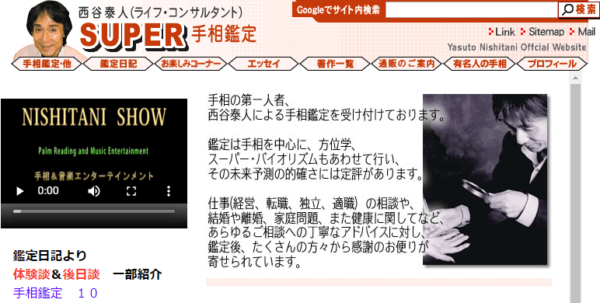
自分がどんな仕事に向いているのか知りたい、また結婚や離婚について相談を
したいと考えている方は、横浜で西谷泰人先生のSUPER手相鑑定で占いを
されてみてはいかがでしょうか。ラジオやテレビ番組に多数出演して鑑定されて
いて、その数は約6万人と言われています。
たくさん鑑定された方の中には英国のマーガレット・サッチャー女史、国内では桑田佳祐や
小田正和などの経歴があって、ありとあらゆる業界の、たくさんの方を幸せにされている実力者です。
鑑定を受けるのには予約が必要です。予約の仕方はホームページに記載されている
メールアドレスに希望の日時を記入して送ることで取ることができます。
住所
〒245-0024
神奈川県横浜市泉区和泉中央北二丁目10番1
電話番号
045-805-5077
受付時間
10:00~18:00(土日除く)
おすすめ占い師:西谷康人先生
先生-e1692092484202.jpg)
[占術]
手相、方位学、スーパーバイオリズム
西谷康人先生は、手相占いの有名な鑑定士です。
作曲家、作家としても多彩な才能を発揮しています。
テレビ出演するなど人気が高く、予約が取りづらいのが難点ですが、相談者に寄り添う丁寧な鑑定が特徴です。
手相、方位、バイオリズムを組み合わせたオリジナルの鑑定法は的確で、問題の解決につながると評判です。
横浜で直接鑑定が受けられる貴重な機会ですので、機会があればぜひ予約をして、当たる鑑定を体験してみてください。
困っていることや迷いがあるなら、西谷先生の鑑定で道標が見えてくることでしょう。
 仕事のことを占ってもらいました。
驚いたのは、「独立すること考えてる?」とこちらが言う前に言われたことです。
そして独立に適した時期、場所、パートナーに選ぶ人の条件など、大変具体的にお話ししてくださいました。
それから私は独身なのですが、独立する前に結婚するのがいいとも言われました。
「いま付き合っている女性とは付き合いが長いのですが、彼女も仕事を持っていてまだ結婚の予定はないんです」とお話しすると、「その人ではない人との出会いがあって電撃的に結婚するよ」と言われました。
それはどうなるのか・・・。当たっているのかどうか現時点ではわかりませんが。
私の性格や、すこし家族関係が複雑であることも当てられました。
人から聞いて行ったのですが、料金が高いなあと思っていましたが占ってもらうと安いくらいだ!と思いました。
独立起業するときにまた行きたいと思います。(男性・30代)
竹下宏の九星気学
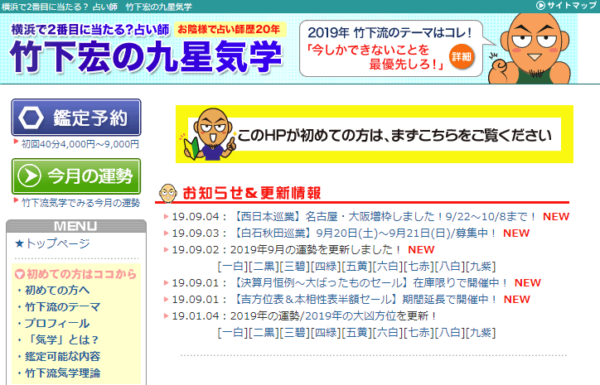
「竹下宏の九星気学」は横浜市神奈川区のカーサブランカビル804に事務所を構える占い師です。
主な占いは九星気学・四柱推命・姓名判断を得意としており、人生相談も随時行なっているのが特徴です。
占いは完全予約制になっており、電話だけでなく公式ホームページからでも行なうことが可能です。
横浜で2番目に当たるところとして若い女性の間で口コミで人気を得ている場所であり、人生に行き詰ったときは頼りになるところだといえます。
おすすめ占い師:竹下宏先生
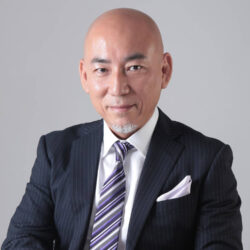
[占術]
九星気学
竹下宏先生は、師匠の影響で気学の道に進まれた経験豊富な鑑定士です。
自らも挫折を経験されたことから、人の弱さに寄り添う温かみがあるのが特徴です。
「気学は統計学」というポリシーのもと、時代に合わせた鑑定を心掛けておられます。
消極的な人を後押しする前向きなアドバイスが得られるのが魅力的です。
悩みを隠さずに打ち明けることで、明確なアドバイスをもらえるそうです。
困難な状況にあっても諦めずに前進できるよう、竹下先生の鑑定が力強い一押しとなることでしょう。
私は竹下先生のフアンなので、よく行きます。
地元は横浜ではないのですが、先生に占ってほしいので少し遠いですが足を運んでいます。
結婚に関する相談が多く、出会いがあると相性などを占ってもらいます。
ほかには仕事のことや引越しのことなど、どんなことでも相談しやすいので助かっています。
いつも当たっているので、どなたにでもお勧めできる先生だと思います。(男性・30代)
横浜中華街 占い師シュウ
「横浜中華街 占い師シュウ」は怖いほどよく当たるとして、月間指名客数は300名を超えるほど人気があります。
統計学を参考にしない占いを得意としており、本当に悩みを持っている依頼者に対するアドバイスを行っています。
なお、直接鑑定に訪れることが出来ないという場合には、電話での鑑定も行っています。
電話鑑定を希望する場合には、事前に日時の予約を行い、料金を指定口座に振り込む必要があります。
各種予約・問い合わせはメールにて受け付けています。
住所
〒231-0023
神奈川県横浜市中区山下町189-4 青龍店内
電話番号
080-
営業時間
11:30~19:00
鑑定料金
●手相= 500円(ただし手相だけの予約はできません。)
公式サイト
https://shu-uranai.com
おすすめ占い師:シュウ先生
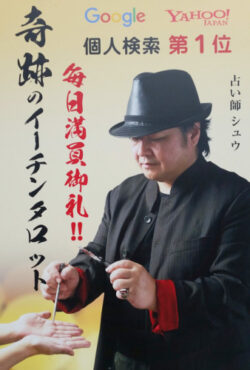
[占術]
命術、ト術、相術、イーチンタロット
シュウ先生は、イーチンタロットの占いで群を抜く実力がある鑑定士です。
東洋的な視点を取り入れた易タロットは、的中率が非常に高いと評判です。
統計だけでは判断できない部分に着目し、精度の高い鑑定を特徴としています。
横浜中華街では数少ない占いジプシーの達人で、全国から相談者が訪れる人気ぶりです。
未来が気になる方には、的中率の高さで知られるシュウ先生のイーチンタロット占いがおすすめです。
レアな技能を持つシュウ先生なら、的確なアドバイスがもらえることでしょう。
以前占ってもらったときに「この人は本物の占い師だ」と思いました。
当たります。
それ以外に言いようがないです。
それでそれから1年半経って、親が窮地に立たされた状況になり、早急にどうするべきかの答えがほしかったので先生にご相談させていただきました。
先生のお陰で、両親を救うことができました。
父は何よりの親孝行だと言って喜んでくれ、それも先生のお陰です。
判断を誤ると大変なことになることだったので、一生分の恩を感じています。
ありがとうございました。
お遊びではない占いなので、真剣に悩んでいる方には行ってほしいです。(女性・30代)
占い屋 M's tarot

特に霊視・霊能系の鑑定が得意な店主のManori先生が人気で、他では受けられない鑑定を受けることができます。
女性専用サロンである「占い屋 M's TAROT」では、タロットと霊能力に優れたManori(まのり)先生が鑑定を担当しています。
先生の霊視による鑑定は素早くお悩み解決をしてくれるため、多くのメディアでも取り上げられています。
Manori先生は15年以上の鑑定歴を持ち、1万人以上の鑑定実績があります。
また、先生ご自身が結婚・出産・子育て・離婚など、女性ならではのお悩みを抱えた過去があるため、どのような相談にも打ち明けやすい雰囲気が特徴です。
住所
〒220-0023
神奈川県横浜市西区平沼一丁目40番1号 嶋森ビル8階
電話番号
070-2323-8183
営業時間
月曜日・火曜日 10:00~17:00
横浜駅東口から徒歩6分。
鑑定料金
【スピリチュアルカウンセリング対面鑑定】
30分=5,500円(
30分=5,500円(税込)
おすすめ占い師:MANORI先生
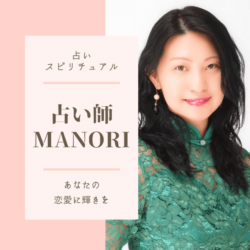
[占術] 霊能セッション、スピリチュアル書記、数秘、タロット、オラクル、ルーン
MANORI先生は18年の鑑定歴と1万件以上の経験を持つベテランの鑑定士です。
先生ご自身も結婚に恵まれずに悩まれた経験があり、愛について深く研究されました。
出会いや婚活の鑑定では、占いやスピリチュアルな視点からアドバイスをしてくださいます。
運命は自分の心と行動で変えられるとの思想のもと、前向きな助言を心掛けておられます。
恋愛に縁がないと感じている方には、MANORI先生の温かみのある鑑定が励みになるはずです。
あなたの人生でも、幸せな出来事が訪れる時があると信じて、先生とともに歩み始めてみませんか。
東明館 横浜赤レンガ倉庫店
横浜のみなとみらい線「馬車道」駅から歩いておよそ6分の場所に、横浜赤レンガ倉庫2号館2階「東明館」という占いの店があります。
ここは、これまでの膨大な手相術のデータから確立させたという東明手相と、人間学や誕生日占いの3要素を用いて相談に訪れた方の解決策を伝えてくれるものです。
じっくり鑑定の場合でしたら料金は3000円となり、開運は2000円で手相は1000円ですから幸せや成功への解決策を占ってはいかがでしょう。
住所
〒231-0001
神奈川県横浜市中区新港1-1-2横浜赤レンガ倉庫2号館2階
電話番号
03-3208-6050
営業時間
11:00~20:00
JR市営地下鉄「桜木町」「関内」より徒歩15分。
みなとみらい線「馬車道」「関内」より徒歩6分。
公式サイト
https://www.toumei-tesou.co.jp/shop/yokohama-akarenga/
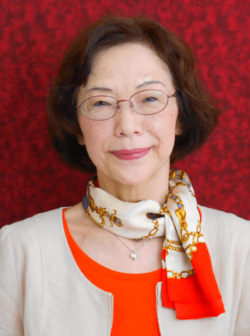
おすすめ占い師:坂本初江先生
[占術]
手相、運命学
坂本初江先生は、自身の社会経験や離婚経験を活かした的確なアドバイスが特徴の鑑定士です。
占いの当たりも評判ですが、相談しやすい温かな人柄が人気の理由です。
先生からのアドバイスで道筋が見え、明るい気持ちになれるとリピーターが続出しています。
人生経験が長く、優しい雰囲気の先生なので、気軽に相談できるのが魅力です。
困りごとや将来の方向性で迷った時は、坂本初江先生の的確で温かいアドバイスに期待ができそうです。
親と衝突することが多く、今までもいろいろなことがあったのですが、結婚にも反対されてしまい占ってもらいました。
占ってもらった内容は、僕と彼女の相性、家族と僕の相性、家族と彼女の相性、僕の結婚運です。
多角的に見ることができたのでこれからの対応が想定できましたし、先生からの対策案も非常に参考になりました。
何より、納得できる鑑定結果だったので納得できました。
初めに僕の健康運を見てくれたことも感動しました。(男性・30代)
占い 華陽園
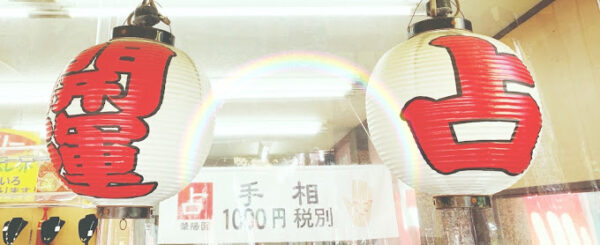
神奈川県横浜市中区、中華街にある占い館「華陽園」。
手相・四柱推命・西洋占星術・タロットなど様々な占術を用いるので、多くの解決方法を導き出せるのが特長の占い館です。
特に「開運鑑定」が好評で「運気が良くなった」と喜びの声を寄せている口コミを数多く見かけます。
営業時間は11:00~22:00で年中無休です。
特に予約の必要はなくいつでも占ってもらえますが、混雑していると断られてしまうケースもありますので、予約をしておくことをおすすめします。
住所
〒231-0023
神奈川県横浜市中区山下町146
電話番号
045-651-4789
090-4929-3652
営業時間
11:00~22:00(土11:00~22:30)
JR根岸線石川町駅より徒歩8分。
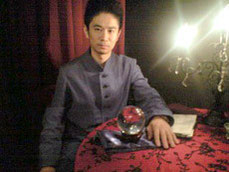
おすすめ占い師:公津光央先生
[占術]
手相、四柱推命、九性気学、奇門遁甲、宿曜占星術、断易、算命学
公津光央先生は、横浜中華街で人気の鑑定士です。
算命学や四柱推命など多彩な占術の知識を持ち、手相を中心に総合的な鑑定を行います。
15年以上の経験から、的確で理論的なアドバイスが特徴的です。
仕事、人間関係、恋愛など幅広い分野の鑑定が可能で、開運のコツも教えてくれるのが魅力です。
英語が堪能な先生なので、外国人の方の相談にも対応可能です。
実績豊富で知識が深い公津光央先生なら、迷いや悩みの解決策が見えてくるはずです。
予約なしで思い立ったらすぐに見てもらえるので、助かっています。
私はもう3度ほど見てもらったことがありますが、いつも的確で当たっています。
具体的なアドバイスは役に立つし、実践的で嬉しいです。
恋愛のことや仕事のことや人間関係のことなど、いろいろなことに柔軟に対応してくれます。
また言っていないことでも分かっているようにお話しをされるので、ときどき本当に驚かされます。
優しくて対応が良いので、知り合いや友だちなどにも勧められる占い店です。(女性・30代)
占い屋ドラゴン
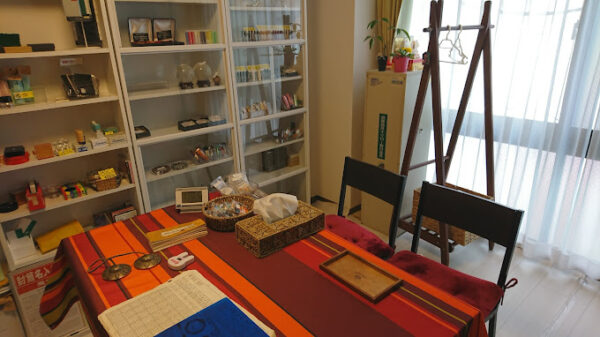 占い屋ドラゴンは、横浜の桜木町にある占い屋です。
これまで4000名を超える人数の鑑定を行ってきた実績を持っており、恋愛や仕事、人間関係などの様々な悩み・不安を相談することができます。
完全予約制となっているため待ち時間はありませんし、鑑定室は個室となっているためプライバシーも守られます。
事前予約は必要ですが、空きがあれば当日や直前の予約でも問題ありません。
相談したいことがある人は、気軽に問い合わせてみてください。
住所
〒231-0064
神奈川県横浜市中区野毛町2-70 HBビル第二302号室(会社名:ドラゴン印刷)
電話番号
090-9347-0420
営業時間
11:00~21:00
横浜市営地下鉄 桜木町駅より徒歩1分。
おすすめ占い師:ドラゴン先生
[占術]
スピリチュアル鑑定、霊感
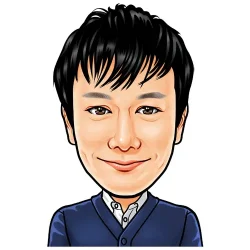
ドラゴン先生は、生来の霊感を活かしたスピリチュアル鑑定で知られる鑑定士です。
龍神との縁が深いと感じられることから、ドラゴンという名前が付けられたそうです。
思うようにいかない人生経験から、占術の能力を高められた先生は、他者の悩み解決に役立ちたいと意欲的に取り組まれています。
独特な個性がある反面、時に厳しく愛情を持って対応してくれるのが特徴的です。
スピリチュアルな視点からの鑑定は、新たな気づきと可能性を提供してくれるはずです。
これからの人生で迷ったときは、ドラゴン先生のスピリチュアル鑑定を活用してみてはいかがでしょうか。
20代で結婚をして子宝に恵まれず、長い間悩んできました。
不妊治療をしていた時期もありましたが結局やめてしまって、今は年齢的にも難しいので、もう望みは一切捨てました。
そうなると夫との結婚生活に罪悪感を覚えるようになって、離婚したいとさえ考えるようになりました。
こんな自分が嫌になってしまって、毎日に張りもなく、そんなときにドラゴンの占いのことを知って鑑定してもらいました。
見ていただいていろいろなお話しをしているうちに、不思議と「このままの私でいい」という肯定的な気持ちになることができて、本当に救われました。
はじめは緊張しましたが、話しやすい雰囲気の先生なのでリラックスして話すことができました。
途中涙が出てしまう場面もあったのに最後の方は笑って話しをしている自分に気付いて、これからは自分の人生を楽しんで生きようと思えるようになりました。
先生には感謝しています。(女性・40代)
ハーフムーン占い舘
 生きていれば誰でもトラブルの一つや二つ抱えているものです。
誰かに相談したいなと思った時には、複雑に絡み合ったトラブルも的確に紐解き解決に導いてくれるハーフムーン占い館を利用してみてはいかがでしょう。
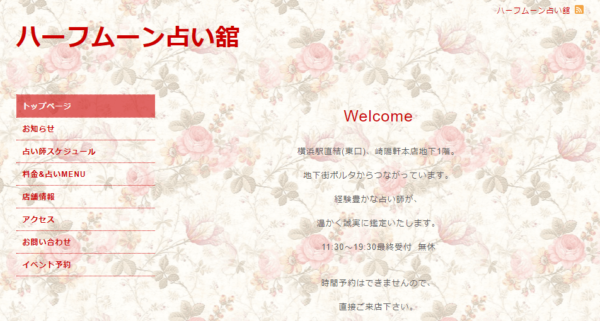
横浜駅から直通、崎陽軒本店地下1階にお店があり予約制をとっていませんので直接来店することが可能で四柱推命・タロット・手相・その他を使用し、仕事・恋愛・結婚・人間関係など様々な分野を占うことができます。
時間料金制ですので短時間で占ってもらうことも、じっくり悩みを話しながら占ってもらうことができます。
住所
〒220-0011
神奈川県横浜市西区高島2-13-12地下1階 崎陽軒本店(ヨコハマ・ジャスト3号館)
営業時間
11:30~21:30
(最終受付19:30)
横浜駅東口より徒歩30秒。
おすすめ占い師:安曇志穂先生
[占術]
四柱推命、断易、西洋占星術、タロット、手相、気学、紫微斗数
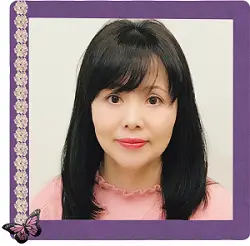
安曇志穂先生は25年以上の鑑定歴を持つベテランの鑑定士です。
恋愛、仕事、人間関係など、様々な悩みに対して一人ひとりに合ったアドバイスをしてくれます。
四柱推命、西洋占星術、手相など多彩な占術を駆使し、的確な鑑定が特徴です。
相談者の悩みに共感し、温かく寄り添う人柄が高く評価されています。
誰にも相談できない悩みを抱えているなら、安曇志穂先生の優しい鑑定で癒やされることでしょう。
ぜひ一度、先生のもとを訪れてみてはいかがでしょうか。
買い物ついでに何度か見てもらったことがあります。
すごく悩んでいることがあったわけじゃないのですが、時間が空いたのでちょっと見てもらったという感じです。
気軽に占ってもらえるので時間潰しにもいいですし、当たっているので為になりますよ。
彼氏との待ち合わせで早く行きすぎて、時間つぶしに見てもらったことがあるのですが、彼とのことを見てもらったら「結婚する」と言われて「まさか」と思ったのですが、その彼氏と結婚が決まりました。
何度か見てもらって大きなハズレはないので、また見てもらおうと思っています。(女性・30代)
クールバード港南台
 横浜の占い店クールバード港南台はオーナーが幼いころから霊感があり、多くの悩みを持つ方の相談に乗った経験があり、相談者が明るい方へ導けるように分かりやすい言葉で伝える占いです。
種類も恋愛から仕事運に健康や金銭や家庭に関するものなど幅広い相談内容に対応しており、占い以外にもご希望の方には相談者の守護霊の鑑定や除霊もおこなうことができます。
また利用料金も明瞭で時間制のうらない基本料金に除霊の他、出張うらないなどしっかりとした料金体系となっています。
住所
〒234-0054
神奈川県横浜市港南区港南台3-4-5
電話番号
045-831-1710
営業時間
14:00~20:30
JR根岸線「南港南台駅」徒歩5分。
おすすめ占い師:Kei先生
[占術]
霊感占い、姓名判断
Kei先生は、優しい人柄で知られる鑑定士です。
守護霊が見える力を活かし、的確な未来予測ができるのが特徴です。
薬剤師の資格も持ち合わせており、健康面のアドバイスもできます。
相談者の悩みに寄り添い、解決に導くわかりやすいアドバイスを心掛けています。
守護霊鑑定や除霊などのサービスも行っています。
人生の岐路に立った時、Kei先生の鑑定で自分らしい新たな一歩が踏み出せるはずです。
温かみのある鑑定をぜひ体験してください。
結婚した年が私の人生の転機だったようで、主人は私のパートナーとして最高の存在だと言われました。
すごく嬉しかったのと、当たっている!とも思いました。
50代には大きな病気をするということだったので、健康診断は小まめに行こうと思います。
主人も占ってもらったのですが、主人にとっても私は最高のパートナーだということでした。
主人は40代の後半に仕事で成功を収めるそうなので、期待したいと思いますw
温泉に入って、占ってもらって、ごはんも食べて、夫婦で楽しめました。(女性・40代)
おすすめ霊視占い師
アネク先生
様々な経験を経て、ご自身の霊感を人様のお役に立てる鑑定に活かし、多くの方のお悩みや不安を解決してきました。
様々な相談内容に対応してくれますが、特に恋愛を成就させることにかけてはお強いと言えるでしょう。
お相手の思いや思考だけでなく、好みなどを知ることができますので、告白の作戦を立てるならアネク先生です。
第2位:沙智(さち)先生
過去世から菩薩観音を守護霊にお持ちで、ご相談者様のお悩みに対して非常に真摯に対応してくれます。
どんなお悩みでも否定することなく、ご相談者様に安心感を与えてくれますので、不安や辛さの中で人生を模索している方におすすめです。
不倫や復縁など、どんなに可能性が低くても一筋の光を見出だして、解決法を見つけ出してもらえます。
諦める前に沙智先生にご相談ください。
蓮美(はすみ)先生
『本物の霊視』と言われている蓮美先生の鑑定は、非常に当たると定評があります。
声や話し方を聞いただけで感じることができる先生の優しい人柄は、悩みに疲弊したご相談者様の心を癒してくれます。
不倫や復縁、相性など、お相手の方とのご縁や絆について知りたい方におすすめです。